

Sindh Govt-Run Tourist Resorts Record Rs22 Million Loss
Published Wednesday Nov 4, 2026 | 9:02 am
Seven hotels and resorts operated by the Sindh Tourism Development Corporation incurred combined expenses of Rs42.1 million against revenues of just Rs19.7 million in the year covered by the Auditor General of Pakistan’s audit report for 2024-25, leaving the provincial government with a net loss of Rs22.3 million.
The findings, first reported by The Express Tribune, raise pointed questions about the commercial viability of publicly managed tourism infrastructure in Sindh and whether such assets are generating returns or adding pressure on the public exchequer. The sindh govt run tourist sector, despite drawing large visitor numbers at key sites, has not translated footfall into financial sustainability.
Quick Facts
- Seven STDC-managed facilities recorded total expenses of Rs42.1 million and revenues of Rs19.7 million, producing a loss of Rs22.3 million.
- Resorts near Keenjhar Lake in Thatta district recorded the highest individual loss, with Rs9.073 million in revenue against Rs22 million in expenses.
- Keenjhar Lake attracts an estimated 10,000 to 12,000 visitors per week, the majority travelling from Karachi.
- Loss-making facilities also include Rooplo Kolhi Resort, Marvi Rest House, Haleji Lake Resort, Baqar Lake Resort, Ranikot Resort, and Lal Shahbaz Resort in Sehwan.
- STDC Managing Director Syed Fayyaz Shah stated that a computerised management system and online booking platform have since improved financial performance.
Key Developments
The Auditor General of Pakistan’s audit report for 2024-25 is the primary source of the financial figures in question. It reviewed seven properties under the Sindh Tourism Development Corporation and found that none generated revenues sufficient to cover operating costs. The gap was most acute at the Keenjhar Lake facilities in Thatta district, where expenses of Rs22 million outpaced revenue of Rs9.073 million, leaving a substantial shortfall at that cluster of properties.
The scale of the loss at Keenjhar Lake is especially notable given the site’s visitor numbers. With between 10,000 and 12,000 people visiting each week, primarily from Karachi, the lake is one of the busiest recreational destinations in the province. The audit findings suggest that high visitor volume alone does not guarantee revenue capture, pointing to structural issues in pricing, booking, or cost management.
Other audited facilities span a wide geographic and cultural range, from Haleji Lake and Baqar Lake in the south to Ranikot and Sehwan further north. Two additional STDC properties, Sambar Inn Hotel in Larkana and a motel in Garhi Khuda Bakhsh, were noted in available records but their individual revenue and expense figures were not included in the cited audit report.
The STDC has disputed the claim that its resorts and hotels are still operating at a loss. Managing Director Syed Fayyaz Shah told The Express Tribune that the facilities had previously faced financial difficulties, but that the situation had changed after the introduction of a computerised management system. He said room bookings were now handled online, helping increase the corporation’s revenue performance.
Why It Matters for Business
For private hospitality operators and investors monitoring Pakistan’s provincial tourism market, the STDC data illustrates a persistent challenge: publicly run hospitality assets frequently carry cost structures that make profitability difficult without disciplined revenue management. When state-owned facilities underperform commercially, they can distort local pricing and complicate the investment case for private entrants who must compete or co-exist with subsidised inventory.
The Rs22.3 million annual loss also matters from a fiscal standpoint. Provincial governments channelling resources into tourism infrastructure expect those assets to eventually contribute to, rather than drain, public finances. Persistent shortfalls redirect budget allocations away from other priorities and can delay further capital investment in the sector. For businesses in logistics, supply chain, and facilities management that might otherwise partner with or supply STDC properties, financial instability in a client organisation introduces counterparty risk.
The STDC’s move toward online booking and a computerised management system is directionally consistent with best practice in hotel revenue management. If the corporation’s own account of improved performance is accurate, the audit period may represent a low point rather than a steady state. That distinction matters for any company evaluating partnership or investment opportunities in Sindh’s government-linked tourism ecosystem.
Industry Context
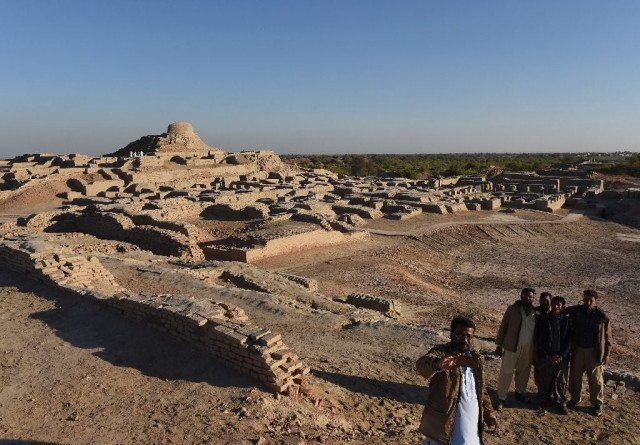
The Sindh Tourism Development Corporation was established to develop and promote tourism across the province, drawing on Sindh’s geographical assets, ancient history, Sufi heritage, and archaeology. Sites such as Mohenjo Daro, Keenjhar Lake, and the shrine complex at Sehwan represent genuine cultural and recreational assets with regional and international appeal.
Public reporting has referenced an STDC meeting described as only the second such gathering in 23 years since the corporation’s establishment, underscoring how infrequently the institution has convened at a senior governance level. That context helps explain operational gaps that an audit of this nature might expose. The Sindh government has separately announced new bus and train services aimed at promoting culture and tourism, signalling a broader policy intent to increase visitor access across the province.
What Comes Next
The STDC’s adoption of digital booking tools is a step that many comparable tourism bodies in the GCC and South Asia took years ago, and its full impact on the corporation’s revenue line will take time to assess. Whether the improvements cited by the Managing Director are sufficient to close a gap of Rs22.3 million annually remains to be seen through future audit cycles.
Policymakers and institutional observers will likely watch whether the Sindh government responds to the audit findings with structural reforms, management reviews, or fresh capital investment. For the private sector, the more immediate question is whether improved governance at the STDC opens the door to public-private partnerships that could make these culturally significant sites commercially viable at scale.
About Sindh
Sindh is a province in southern Pakistan with a diverse portfolio of tourism assets, including UNESCO-linked archaeological sites, freshwater lakes, Sufi shrines, and historical forts. The Sindh Tourism Development Corporation operates under the provincial Department of Tourism and was created to channel these assets into a structured, revenue-generating visitor economy.
Frequently Asked Questions
How much did STDC-managed resorts lose according to the 2024-25 audit report?
According to the Auditor General of Pakistan’s audit report for 2024-25, seven STDC hotels and resorts incurred total expenses of Rs42.1 million against revenues of Rs19.7 million. The resulting loss to the Sindh government was Rs22.3 million.
Which STDC facility recorded the largest individual loss?
Resorts located near Keenjhar Lake in Thatta district recorded the highest loss among audited facilities. They generated Rs9.073 million in revenue against expenses of Rs22 million, leaving a substantial gap between earnings and operating costs at that location.
How many visitors does Keenjhar Lake receive each week?
An estimated 10,000 to 12,000 people visit Keenjhar Lake every week, with the majority travelling from Karachi. Despite this steady visitor flow, the resorts at the site have not generated revenues sufficient to cover their operating costs according to the audit report.
Which other STDC properties were identified as loss-making?
The audit report identified losses at Rooplo Kolhi Resort, Marvi Rest House, Haleji Lake Resort, Baqar Lake Resort, Ranikot Resort, and Lal Shahbaz Resort in Sehwan. Two further properties, Sambar Inn Hotel in Larkana and a motel in Garhi Khuda Bakhsh, were noted but their financial details were not available in the cited report.
Has the STDC disputed the audit findings?
STDC Managing Director Syed Fayyaz Shah stated that the facilities had previously faced financial difficulties but that the situation had changed following the introduction of a computerised management system and online booking capability. The corporation has disputed the characterisation that its properties remain loss-making at the time of reporting.
What is the Sindh Tourism Development Corporation?
The Sindh Tourism Development Corporation is a body established under the provincial Department of Tourism to develop and promote tourism across Sindh. It manages hotels, resorts, and rest houses at key cultural, archaeological, and recreational sites throughout the province.
The audit findings serve as a timely reminder that high visitor numbers and cultural significance do not automatically translate into financial performance for publicly managed hospitality assets. Disciplined revenue management, modern booking infrastructure, and clear accountability frameworks are as necessary for state-owned tourism facilities as they are for any private operator in the sector.
For stakeholders across hospitality, strategic investment, and facilities services, Sindh’s experience with its government-run properties offers a practical case study in the gap between tourism potential and commercial execution, and in what it takes to close it.
Related: tribune.com.pk
cb777gamedownload
Finally found a place where the download process is actually fast and safe. No more jumping through hoops to get my games. Just head over to cb777gamedownload and get started.
sx777gamelogin
Really enjoying the variety of games here. Everything feels professional and the customer support is super helpful when I have questions. sx777gamelogin